The real choice isn’t the park—it’s your odds
At 11:47 p.m., with three tabs open and a half-filled permit form, I hovered over “Core Zone” like it was a guaranteed tiger. The map looked so decisive—Bandhavgarh here, Ranthambore there—but my dates (late March, eight days, one splurge hotel night) were the real constraint. The hesitation wasn’t about which park was “best”; it was about which plan gave me enough tries, at the right hours, in zones that weren’t already gone.
For tiger photography, your strongest lever is odds per drive, not brand-name prestige. Two safaris a day in a reserve with stable sightings can beat a famous park where you only manage three drives total because travel eats daylight or permits sell out. The trade-off is blunt: higher density areas attract more vehicles, and crowd flow can flatten your angles (dust, cut-offs, cats looking away). If you’re coming from Mumbai with 8–10 days, this works best when you pick 1–2 bases and stack drives rather than “collect” parks.
Zone differences matter more than most itineraries admit. A “good” zone on paper is useless if your entry time is late, your route forces long gate-to-spot drives, or your guide can’t read alarm calls under pressure. Some parks reward patient photographers who can tolerate quiet mornings and longer waits; others suit people who want frequent action and can accept tighter traffic. If your calendar is fixed, decide your acceptable failure rate first—then book enough attempts to beat it.
Parks that reward patient photographers
At 5:38 a.m., I watched a line of Gypsies idle near the gate while someone argued about an “upgrade” that wasn’t really an upgrade. The air was already warm, and the first light was flattening faster than I expected. That tiny delay matters more in some parks than others, especially when your style is to sit, wait, and build a frame instead of chasing radio calls.
If you’re patient—and willing to accept long quiet stretches—Kanha and Pench tend to pay it back in cleaner compositions than the most hyped “instant sighting” circuits. Kanha’s meadows and sal forests give you space to work a subject (barasingha, langurs, then maybe a tiger) without every vehicle stacking into one dusty knot; the limitation is that the tiger moment can be brief, and a single bad route choice can burn the best light. Pench often feels faster to read—good for photographers who like shaping light through teak and bamboo—but the trade-off is that action can happen deeper in, so gate-to-spot time can quietly eat your morning.
Bandhavgarh and Tadoba can deliver higher-frequency tiger encounters, but they reward a different kind of patience: tolerating crowd flow and waiting for a cat to turn its head in traffic. If you’re leaving from Mumbai with 8–10 days, Tadoba is the easier “stack drives” base, while Bandhavgarh’s travel overhead pushes you toward fewer, higher-stakes outings. If your planning is late, I’d bias toward the park where you can still secure prime-time entries—not the one you’d pick in a perfect spreadsheet.
Season and light that change everything
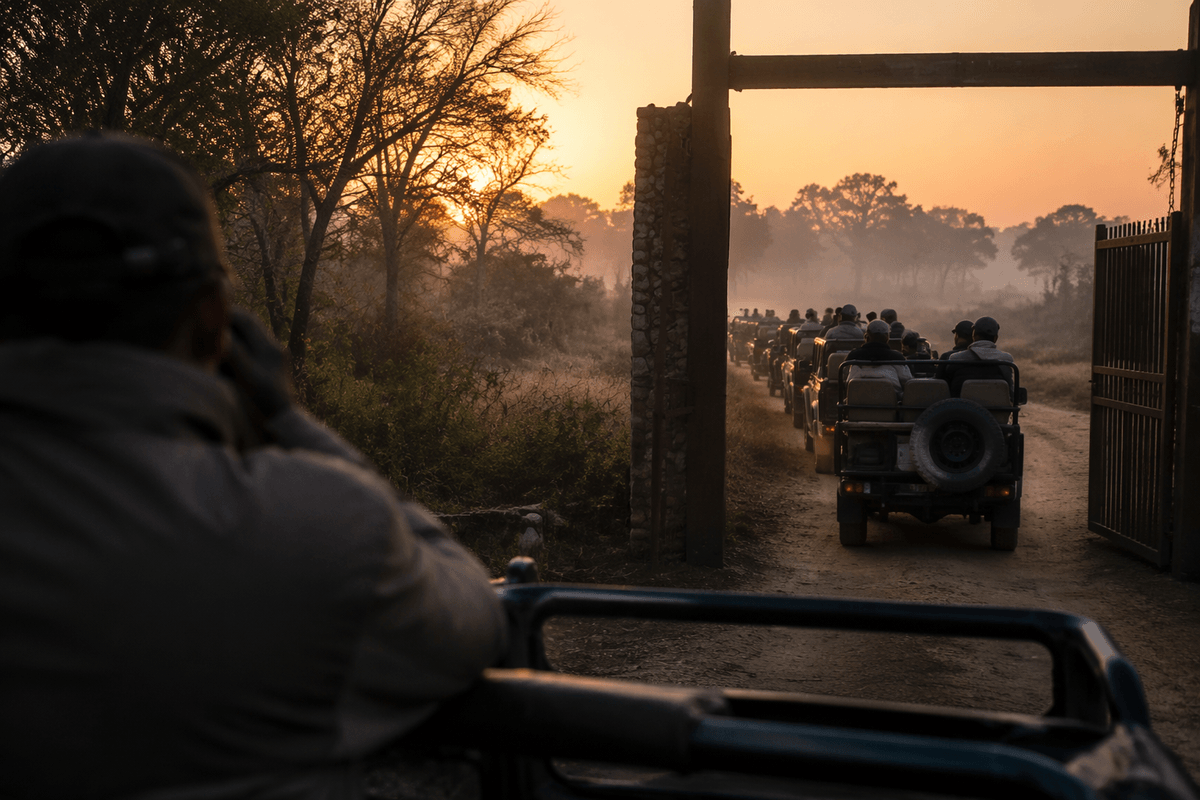
At 6:12 a.m., I checked my phone’s weather tile outside the gate and watched a thin haze turn the horizon milky. The driver wanted to push deep immediately, but the light was still low and the dust from the convoy ahead was already starting to hang. In late March, that “we’ll fix it in post” attitude feels tempting—until you see how quickly highlights blow out once the sun clears the trees.
Season isn’t just “best months,” it’s how long usable light lasts before heat and traffic wreck contrast. March–April can be productive for sightings because water and shade concentrate animals, but you’re trading away soft, forgiving light: mid-morning turns harsh faster than it does in January. Kanha’s open meadows can look cinematic at first glow, then unforgiving by 8:30; Pench’s teak can hold shadow detail a bit longer, but those deeper routes mean you might spend the best light just reaching the action. If you hate backlit dust, avoid stacking yourself behind the main pack on peak weekends.
Monsoon closures force your calendar’s hand, and pre-monsoon heat punishes slow logistics. If you can shift even two weeks earlier (late February into early March), you often get a cleaner sky and longer comfort window per drive, with slightly less fatigue by the afternoon safari. If your leave is fixed to late March, I’d pay for a dawn entry and a guide who’ll wait in good light rather than sprinting after every radio call—your keeper frames usually come from the first quiet 20 minutes, not the last chaotic five.
Safari zones, permits, and booking realities
At 12:26 a.m., I finally clicked into the booking portal and watched the “morning” slots vanish while I was still choosing a zone name I’d never heard of. One tab said “full,” another showed a seat available, and the hotel WhatsApp insisted they could “manage something” if I paid now. That’s the real stress point for late planners: by the time you’re comparing parks, the best entry times in the best zones are already someone else’s plan.
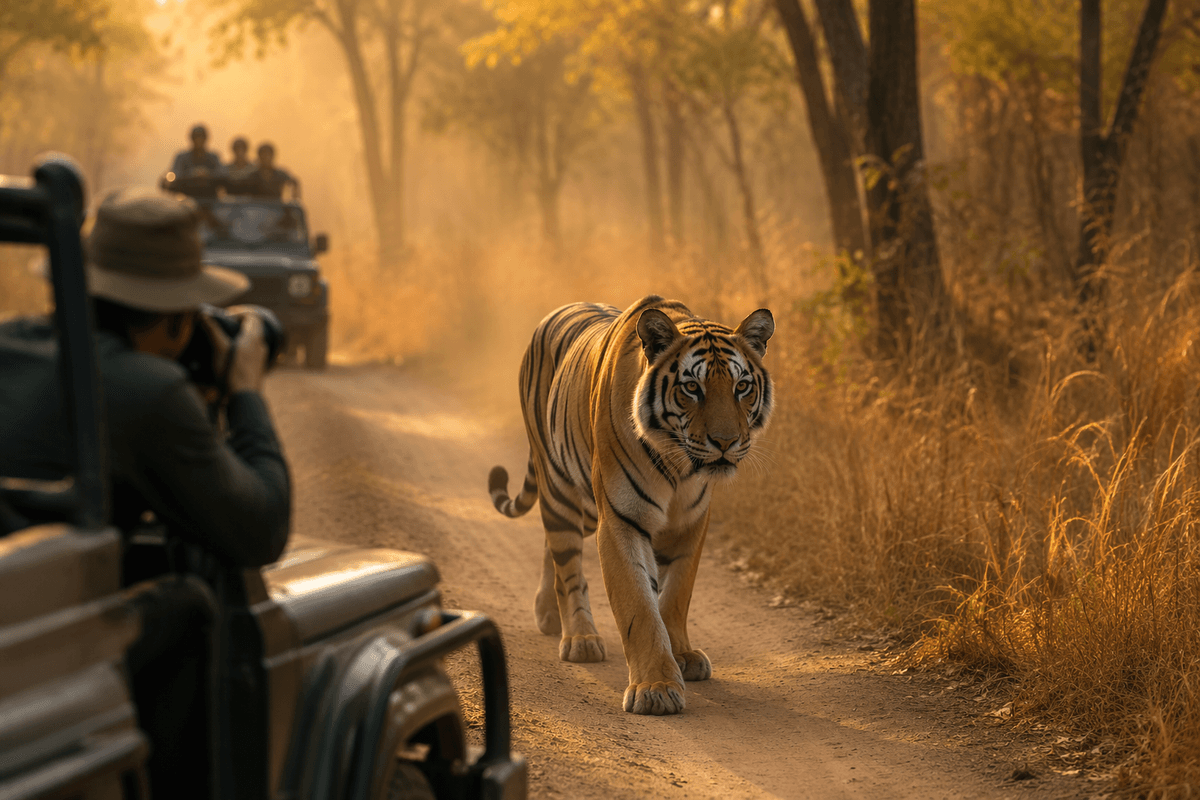
Zones aren’t just geography; they’re your odds plus your angles. A high-sighting core zone can be a trap if it’s also the one every Gypsy stacks into at the same waterhole, because a tiger in traffic often equals rear-end shots and dust. Buffer zones can feel like lower probability, but they sometimes buy you space to work—cleaner backgrounds, fewer cut-offs, more time to wait for a head turn. This works best for photographers who can tolerate “no tiger, but good forest” drives; it’s frustrating if you’re chasing a single hero frame.
Permits and timing behave like airline inventory: prime dawn entries go first, weekends tighten everything, and last-minute “premium” options aren’t always better—sometimes they’re just the leftover zone with a nicer label. If you’re flying in from Mumbai, the hidden cost isn’t the safari fee, it’s the wasted morning when you’re forced into a late entry after a travel night. I’d rather lock six decent drives in one base than gamble on two “perfect” ones that depend on someone finding you a permit the day before.
Field craft, gear, and ethical shots
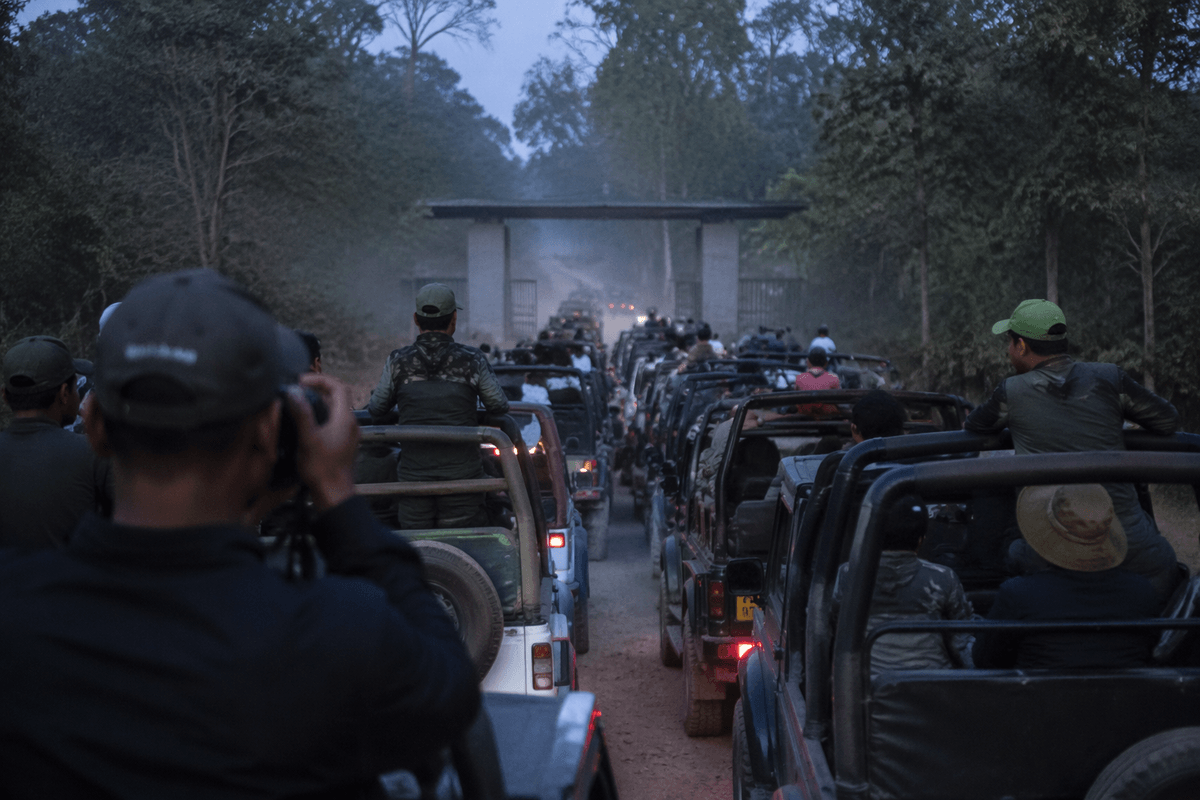
At 4:58 a.m., I realized my “serious” 200–600 plan meant nothing if I couldn’t even swing the lens inside the Gypsy without tapping someone’s shoulder. The gate queue was already tightening, and I had that familiar hesitation: do I build a clean frame where I am, or chase the next radio call and risk arriving behind a wall of bumpers? In tiger parks, the pressure isn’t only the animal—it’s the seconds you lose to crowd flow.
Field craft here is less about stalking and more about positioning under constraints. If you’re mid-range and traveling from Mumbai, a 100–400 or 150–600 with a second body (or at least a fast lens swap plan) beats a single giant setup, because the moment can flip from a close head turn to a wider “tiger + habitat” scene in one bend. The trade-off: longer reach helps in buffers and distant crossings, but shorter zooms are more usable when the cat is suddenly ten meters away and you’re boxed in by rails and elbows.
Ethically, your keeper-rate goes up when you stop trying to “make” the sighting. Ask your driver to kill the engine, avoid calling out locations loudly, and don’t push for off-route angles—besides being wrong, it often spooks the animal and ruins light for everyone. If you want cleaner behavior shots (walking, scent-marking, drinking), it tends to work better on quieter weekdays or in zones where vehicles aren’t allowed to stack for long; if you only have peak dates, accept fewer frames and wait for calmer seconds rather than forcing a messy burst.
What I’d pick with limited days
On day two of a tight plan, somewhere between a delayed Vistara landing and a WhatsApp ping that said “morning core not possible,” I finally stopped pretending I could “do” three parks in eight days. The concrete constraint was ugly: if I lost two dawns to transit, I’d be paying for heat, dust, and late entries. That’s when the decision became less romantic and more like budgeting shutter chances.
If you’re leaving from Mumbai with 8–10 days and planning late, my reliable pick is a Nagpur hub with Tadoba first, then Pench as the calmer second base. Tadoba gives you the highest upside per drive when you can stack attempts (it’s the park where repetition can actually rescue a trip), but it’s also where crowd flow can steal angles—so it works best if you can tolerate traffic and still wait for clean behavior. Pench is the trade-off park: slightly softer “guarantee” energy, better breathing room for composition, and fewer situations where every jeep is fighting for the same bend.
If you want only one premium splurge base, I’d choose Kanha over a far-flung “legend” itinerary: you’ll lose some headline odds, but you’ll gain steadier light/terrain variety and fewer wasted days. Whatever you pick, lock permits for dawn drives first, then build hotels around those entries; if the portal forces you into late slots, it’s a warning sign to simplify, not to add another park.



![How to Research Stocks Before You Buy [How to Pick Stocks]](static/image/2026/07/14/c31ea3ae-07b2-446c-b67a-e56ae4a55f8b.png)


![How to Negotiate Medical Bills in Collections [13 Legit Steps]](static/image/2026/07/14/9e314051-9bc1-4519-a5b7-8e862903d3e4.png)