Orlando isn’t just parks—choose your mix
At 7:12 a.m., I stared at a color-coded Google Map of Orlando while the kids argued over whether “Hagrid” beat “Frozen,” and my coffee cooled fast. The pins made everything look close, but the drive times kept jumping—22 minutes became 41 the moment I toggled “depart at 9:00.” That was the first hint that the real trip wouldn’t be decided by what’s “best,” but by what actually fits between heat, lines, and stamina.
For a 5-day trip with 1–2 park days, the mix matters more than the brand name on the ticket. Two full park days can deliver peak wow-factor, but they also eat your best energy and your budget; one park day frees room for pool time and an easier bedtime, yet it puts pressure on that single day to “count.” The trade-off shows up in small ways: rope drop helps, but it’s tougher with kids who need breakfast and shade breaks; park-hopping sounds efficient, but it often turns into wasted time at security, parking trams, and midday traffic.
What tends to work for mid-budget families is choosing one “anchor” park day and one flexible half-day somewhere else—something that still feels like Orlando without another $200+ swing. If your kids melt down in 95°F afternoons, plan the big-ticket thrills for morning and treat the rest like a bonus, not a checklist. The best mix is the one that leaves you with at least one afternoon where nobody’s rushing.
Theme park days that feel worth it
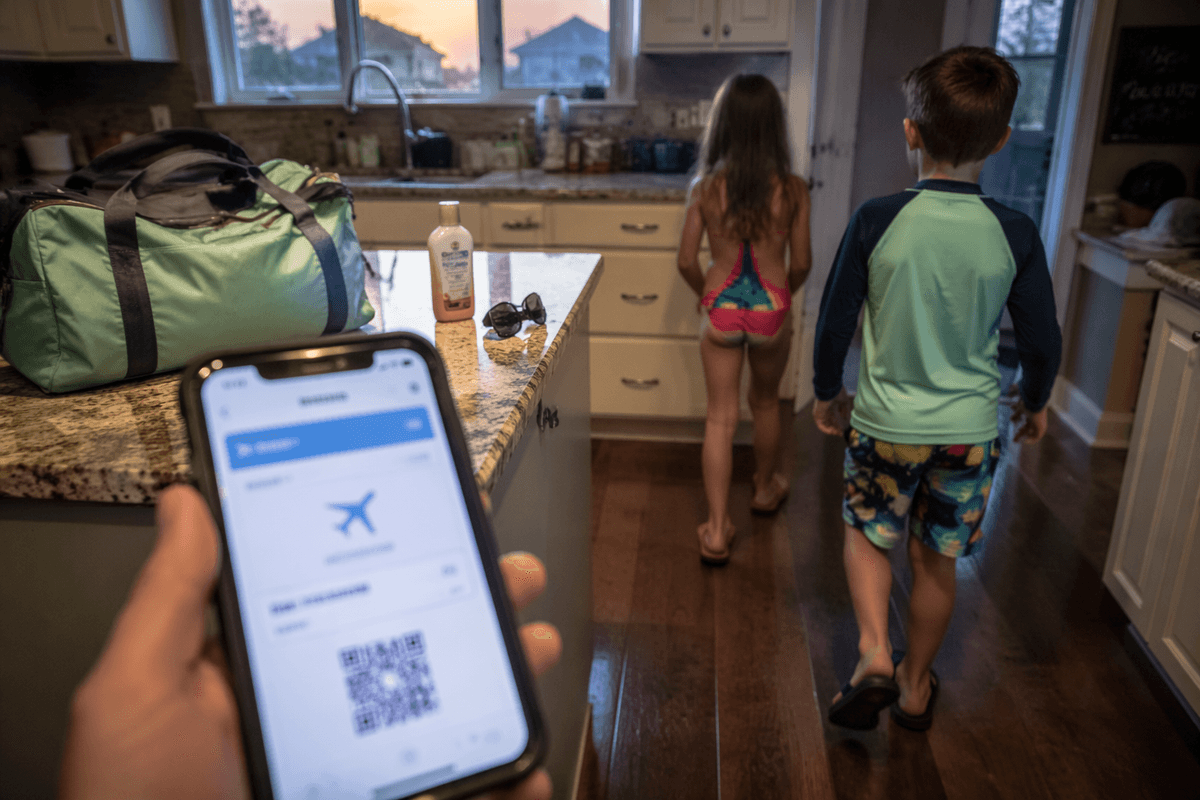
At 6:28 a.m., I hovered over the ticket screen with a $30 “convenience” difference between dates and the kids already in swimsuits, as if that would speed up the day. We could make rope drop, but only if breakfast was granola bars in the car and nobody needed a second sunscreen round. That’s the moment you realize a “full park day” is less about hours and more about how many decisions you’re willing to stack before noon.
If you’re doing one anchor day, pick the park that matches your kids’ definition of wow. Universal tends to reward a tight, ride-heavy plan (big thrills packed closer together), while Magic Kingdom plays better when you accept slower crowd flow and trade a few headliners for more “we’re in the movie” moments. Either way, the limiting factor is 1–3 rides with the longest waits; building the day around those first—and treating everything else as optional—beats trying to “do it all” and spending your best energy in switchbacks.
Paid line-skips can be worth it, but only in narrow cases: peak crowd dates, one-and-done trips, or kids who truly won’t tolerate 60–90 minute waits. Otherwise, the better trade-off is timing: arrive early, leave for the pool in the hottest window, and come back for a shorter evening block if your crew can handle the reset. If that second entry sounds like a fight, stay in, watch the parade/fireworks equivalent, and call the day a win.
Beyond the gates: Orlando’s underrated hits
At 2:17 p.m., we pulled into Gatorland with the AC still fighting the parking-lot heat and a kid asking, “Is this just…alligators?” Fifteen minutes later, they were pressed to the railing watching a trainer move with the calm confidence you don’t get at a roller coaster. It felt lower-stakes than a park day, but the wow-factor landed faster than I expected—and nobody was already tired from a 7 a.m. sprint.
This is the sweet spot for a 5-day trip: places that don’t demand an all-day ticket mindset. Gatorland and similar “classic Florida” stops are cheaper than another gate, usually simpler to navigate, and the trade-off is obvious—you’re swapping blockbuster rides for shorter bursts of novelty that work best in the morning or late afternoon. If your kids need constant motion, pair a 2–3 hour visit with pool time; if they like shows and animals, you can stretch it without the same line fatigue.
For an easy evening, Disney Springs can feel like a theme-park “lite” option: still polished, still Disney-adjacent, but you pay in crowd flow and dinner waits instead of admission. It works for families who can tolerate a little wandering and shareable food; it’s a miss if you’re trying to keep bedtime tight and don’t want to play reservation roulette. Sometimes the best plan is simply choosing the outing that ends before everyone’s mood does.
Nature breaks that reset your trip
At 11:43 a.m., we were standing in a shaded boardwalk section with a $6 bag of frozen grapes sweating through the paper, and the kids had finally stopped asking what the “next ride” was. The air still felt like Florida, but it wasn’t bouncing off asphalt, and that mattered more than I expected. Compared to another indoor queue, the quiet felt almost suspicious—like we were cheating on the itinerary.
For a real reset, aim for nature that’s structured enough for families but not so “wild” it becomes a logistics project. Bok Tower Gardens is the clearest trade: you’re paying for beauty and breathing room, not adrenaline, and it works best when your crew can handle walking without negotiating every five minutes. The timing trick is to go early or late; midday heat turns “peaceful” into “why are we doing this,” especially if you’re already sun-tired from a park morning.
If you want more wow-per-minute with less walking, an airboat ride on the edge of the metro area can land big—fast, loud, and very Florida—without committing to an all-day excursion. The tour times don’t flex around nap needs, and weather can cancel your plan in a way a mall never will. When it works, it’s the rare outing that feels memorable and still leaves enough energy for pool time and a normal dinner.
Food, shopping, and nights done right

At 5:36 p.m., I watched a 45-minute quoted wait for a “kid-friendly” dinner turn into a hallway of hungry negotiations, and I almost caved and ordered the first thing with a cartoon on it. The parking garage was still radiating heat, the stroller was heavier than it had any right to be, and the kids’ patience was on a shorter timer than mine. Compared to a park queue, the payoff felt weirdly uncertain—no fireworks at the end, just the hope of fries.
If you want one reliable “Orlando night” without buying another ticket, treat Disney Springs like a controlled wander, not a culinary mission. It works best when you eat early (think 4:30–5:00) or go later and accept a snack-style dinner, because prime-time tables can become a budget leak fast. You’ll cover more ground than you think, and it’s easy to burn an hour just deciding. For families who need a hard bedtime, this is where a mobile order and a loop past Lego Store beats a sit-down plan that slips.
For shopping that actually helps the budget, schedule one outlet stop on a non-park morning and put a timer on it—90 minutes is plenty before everyone gets bored and you start “saving money” by buying extra stuff. Disney/Universal character shops feel like mandatory souvenirs; outlets are better for shoes, swim backups, and the “we forgot…” list. Nights go smoother when you pick one anchor treat (dessert, a show, a mini-golf round) and let the rest stay optional, so you’re not paying peak prices for tired attention.
My picks for first-timers and families
At 8:49 p.m., I was back at the hotel pool gate with a damp key card that wouldn’t scan, and the kids were negotiating “five more minutes” like it was a ride reservation. We’d done plenty, but the day still felt tight—mostly because we kept trying to stack a park pace onto non-park hours. That little bottleneck was a useful reminder: your best plan is the one that leaves slack for friction you can’t predict.
For first-timers on a 5-day, 1–2 park trip, I’d build around one true “anchor” park day, then treat the rest as heat-managed highlights. If your kids are ride-driven, make Universal the anchor and go early/leave mid-afternoon; if they’re more character-and-spectacle, Magic Kingdom plays better even when you sacrifice a couple headliners to avoid 90-minute waits. The trade-off is cost versus certainty: paying for add-ons can buy calm, but a smarter win is controlling timing (rope drop, long pool break, optional evening return only if everyone rebounds).
My realistic 5-day rhythm: Day 1 arrival + pool + early Disney Springs wander; Day 2 anchor park (no hopping); Day 3 slow morning + outlets timer + mini-golf; Day 4 “Florida” half-day (Gatorland or airboat) + hotel reset; Day 5 second park only if energy and budget are still intact. This works for families who value predictable moods over squeezing value from every ticket hour; it doesn’t fit crews who hate downtime. If you’re torn, choose the plan that protects one genuinely easy afternoon—your kids will remember that you weren’t rushing, even if they forget the extra ride.

![How to Research Stocks Before You Buy [How to Pick Stocks]](static/image/2026/07/14/c31ea3ae-07b2-446c-b67a-e56ae4a55f8b.png)