Choosing Barbados beaches isn’t about “best”
I paused over Google Maps with a coffee sweating onto the table, zooming between Carlisle Bay and Bathsheba like the island was a choose-your-own-adventure. The pins looked evenly spaced, but the drive times didn’t behave—one “quick beach hop” suddenly meant a 45-minute commit. Even before you factor in sea state, that’s the moment the “best beaches” idea starts to wobble.
Barbados doesn’t reward chasing a single #1 shoreline; it rewards matching a beach to what you actually need that day. The west and south coasts tend to trade drama for reliability: calmer water, easier entries, and more predictable spots to grab lunch or find a toilet without a scavenger hunt. The east is the opposite bargain—more wind, more texture, more “wow,” but you pay in swim comfort and sometimes in the mental cost of deciding whether today is a dip day or a look-and-leave day.
For a five-day trip, your real limiter is usually not ambition, it’s friction: midday heat, crowd pulses, and the slow leak of time from parking, changing, and re-routing when the water’s rougher than expected. If you’re a mid-budget couple prioritizing swimmable water, shade, and nearby basics, you’ll get more actual ocean time by choosing one “anchor” coast per day, then adding a second stop only if it’s on the way—rather than forcing a cross-island detour just to say you did it.
Calm coves for swimming and kids
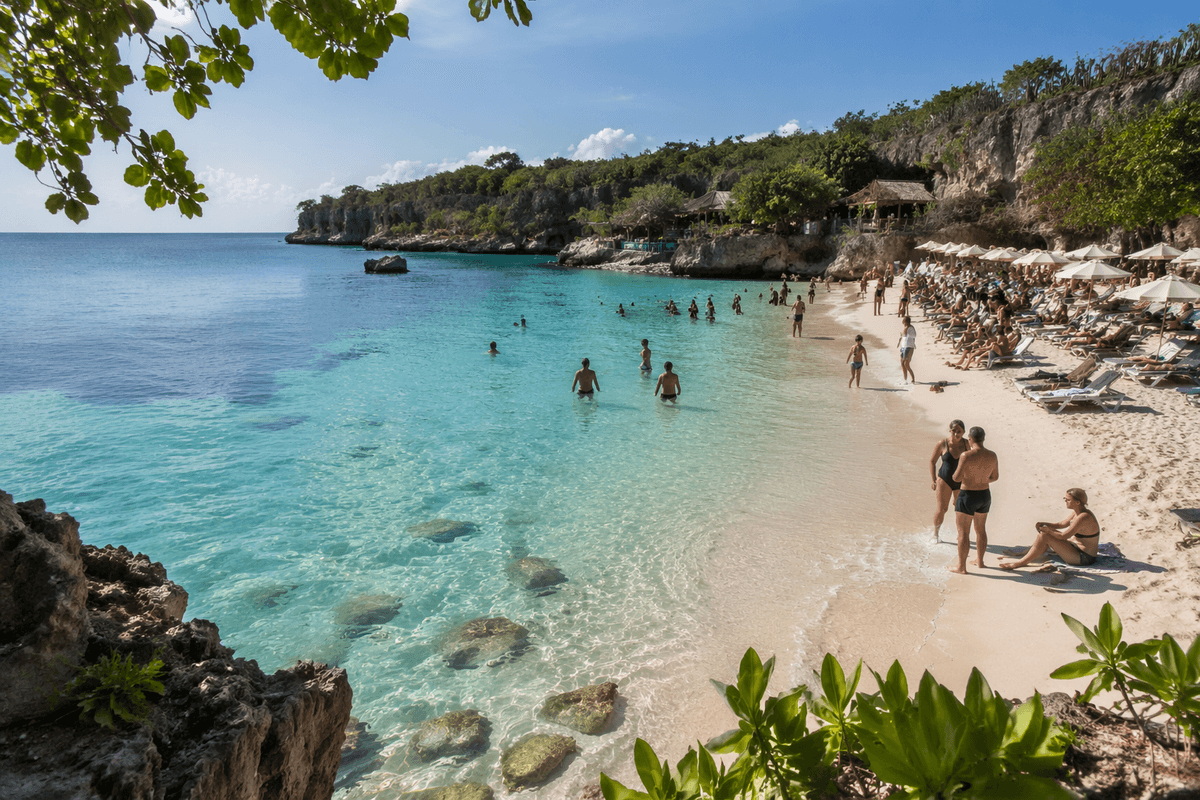
I hesitated at the edge of Carlisle Bay just after 9 a.m., watching a glassy patch near the sand turn into a churn of fins as a catamaran unloaded. The water still looked inviting, but the “easy swim” vibe changed fast once the beach chairs filled and the music started carrying. It’s a good reminder that calm coves aren’t only about the coast—they’re also about timing and how much scene you can tolerate.
For reliably swimmable water with nearby basics, the west and south coasts do the least arguing with your plans. On the west side, beaches along the Paynes Bay–Holetown–Mullins stretch tend to feel like a controlled environment: gentler entries, clearer signage, and a shorter walk to a toilet or a snack than on more remote sands. The trade-off is crowd density—arrive before late morning if you want shade that isn’t “rent a lounger” shade. It works well for an easy half-day; it’s less ideal if you’re chasing quiet.
If you want calm water but a slightly more “do stuff then eat” rhythm, the south coast can be the compromise: still swimmable most days, with more casual options close by, but it can feel busier and louder once the afternoon ramps up. These coves are best when you treat them like a morning swim + early lunch plan, then bail before fatigue and peak crowds make a 20-minute dip feel like a project. If the sea looks rougher than expected, don’t force it—swap to a west-coast bay and keep the day easy.
Snorkel beaches with easy reef access
I stood ankle-deep at Folkestone just after 8:30 a.m., mask in one hand and a rented snorkel set in the other, watching the surface for that telltale “rippling glass” that means you’ll actually see something. Ten minutes later a family arrived with floaties, and the entry point went from calm to cluttered without anyone doing anything wrong. That’s the west coast trade: easy water and easy access, but you’re sharing it.
For low-friction snorkeling, the west coast is usually the safest bet because it stacks the basics in your favor—calmer sea state, simpler entries, and shorter swims to structure. Folkestone Marine Park is the classic “works for most people” option: you can wade in, find fish without committing to a long paddle, then be back on shore before the sun and crowds feel like a tax. It’s less satisfying if you’re chasing coral drama; it’s more satisfying if you want a controlled, repeatable swim with a bathroom and a cold drink nearby.
Carlisle Bay can deliver more “wow per minute” with turtles and wreck snorkeling, but the timing penalty is real: boats, tour groups, and stirred-up sand can flatten visibility as the morning progresses. If you’re doing it, treat it like an early appointment—snorkel first, then coffee or breakfast—rather than a casual midday add-on. On days when the west feels busy, the south coast can be a compromise for a quick dip, but it’s rarely as consistently clear as the west when conditions wobble.
Surf and wind beaches on rougher coasts
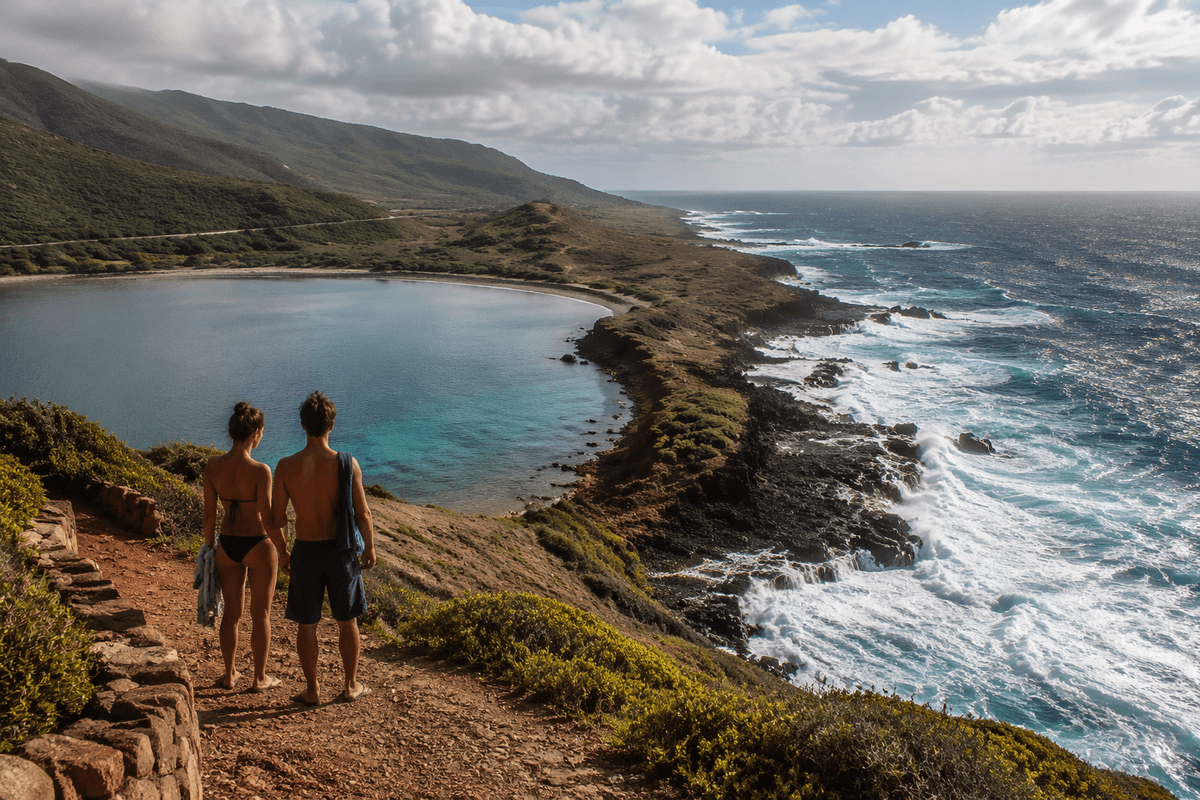
Around 3 p.m. at Bathsheba, I took two steps toward the water and stopped—wind pushing salt into my eyes, shorebreak thumping like someone shut a door too hard. It looked incredible in photos, but in real time it was more “watch the ocean” than “float around.” The mistake would be treating that as failure instead of a different kind of beach hour.
The rougher Atlantic side (think Bathsheba/Cattlewash) is where Barbados feels less curated: stronger surf, more currents, fewer easy entries, and shade that’s often “whatever tree you can find,” not umbrellas and loungers. For a mid-budget couple prioritizing swimmable water, it works best as a scenic stop you plan around—coffee or a snack first, then a walk and photos, then a deliberate decision about whether you’re getting in at all. You get drama and space, but you give up the low-stress dip and the nearby toilet-on-demand comfort.
If you actually want wind sports or you just like watching competent surfers, this coast earns the drive when conditions line up—especially earlier or later in the day when heat fatigue makes a long beach session feel like work. It’s less rewarding as a “let’s pop over after lunch” detour, because route time is fixed even when the sea says no. When the flags look serious or locals aren’t swimming, treat it as your lookout coast, then save your swim for a calmer bay on the way back.
Sunset, bars, and lively shorelines
I stalled in the car park near St. Lawrence Gap at 5:25 p.m., watching a line form at a beach bar while the last sun burned orange on the water. The plan was “quick sunset swim,” but the reality was music, cooler traffic, and that slightly damp feeling of deciding whether to change here or just commit to sundowners. Lively shorelines don’t ask if you’re ready; they just start.
For sunset + food/toilets without a scavenger hunt, the south coast is usually the easiest win: Dover/Maxwell and the Gap area let you pivot between a dip, a rinse, and a table with minimal driving. The trade-off is density—by late afternoon the sand gets busier, and shade tends to be rented or already claimed. It works best if you’re okay with a social swim and you treat parking like an early-arrival problem, not a 6 p.m. afterthought.
If you want “lively” but a touch more polished (and often a calmer, less churned-up entry), the west coast around Holetown can feel like the controlled version of the same evening: fewer surprises, more predictable service, and a shorter walk to basics. You’ll pay for it in prices and in the sense that you’re sharing the sunset with everyone who had the same idea. On nights you’re tired, this is the cue: pick the coast you’re already on, don’t cross the island for a prettier horizon.
How to match beaches to your day
At 10:40 a.m., halfway through sunscreen round two, we caught ourselves trying to force an east-coast detour “because it’s on the list,” even though we still hadn’t eaten and the car was already warm. That’s when the day-plan clicked: pick the swim first, then decide how much driving your patience can afford. A 25-minute cross-island hop can easily become an hour once you add parking loops, wet-change logistics, and the “where’s the bathroom?” walk.
If you want the least arguing with conditions, make the west coast your default swim day: Carlisle Bay early for turtles/wrecks (best before the boats churn things up), or Folkestone for a calmer, more controlled snorkel with nearby basics. The trade-off is crowds, so treat shade like a morning resource—arrive before late morning or accept paid loungers. When you’re craving a swim plus an easy meal plan, the south coast wins on convenience: you can dip, rinse, and be eating quickly, but you’ll share the shoreline and the soundtrack.
Use the east (Bathsheba/Cattlewash) like a scheduled “scenic hour,” not a backup swim. It’s ideal when you’re already tired of busy sand and want space, photos, and wind—less ideal when you’re insisting on a floating, relaxed soak. If you’re torn at breakfast, choose one anchor coast and give yourselves permission to stop chasing a prettier beach once the water feels good.