The tempting BOGO sign and the uneasy math
The sign printer makes it look simple: “BOGO.” It fits in the window, it fits in an email subject line, and it promises movement on days when foot traffic feels thin. But the decision doesn’t land in the window—it lands in the reorder spreadsheet, the gross margin line, and the awkward moment when staff realizes the shelf won’t last through Saturday. A free unit sounds like a clean trade for volume, yet the math starts to wobble as soon as you picture the mix of full-price buyers, deal hunters, and regulars who learn to wait.
In a quick review, BOGO is really a 50% discount on two units, with the discount applied only if the second unit moves. That “if” is where the unease starts. If your unit economics are tight—say a 55% gross margin before labor, payment fees, and shrink—cutting the effective price in half can push contribution margin close to zero. Meanwhile, the costs you don’t see on the sign still show up: packaging, fulfillment time, returns, and the cash hit of tying up inventory earlier than planned.
Your expectation: double the sales without doubling costs

The hope usually shows up as a neat back-of-napkin model: move twice the units, keep the same rent, keep the same manager hours, and let the “free” item act like advertising you only pay for when it converts. In that framing, BOGO feels like a volume lever that doesn’t require buying more impressions or redesigning the store. If you’re sitting on slow inventory or you’re trying to hit a reorder minimum by month-end, the timing pressure makes that story even more appealing.
In practice, the expectation only holds when the extra unit comes with mostly variable costs and the sale pulls forward incremental demand. If the second unit triggers more pick/pack time, higher return exposure, or a faster stockout that forces expedited replenishment, the “same costs” assumption breaks. The other leak is substitution: customers who would have bought one at full price now buy two at an effective 50% off, and the register looks busy while contribution dollars stagnate. The decision gets real when you estimate the share of orders that are truly incremental versus discounted versions of what you already would have sold.
Where the deal feels good to customers
On the customer side, BOGO feels “fair” when the second unit is genuinely usable, easy to store, and close enough in preference that it won’t become clutter. That’s why it lands best on replenishment items (coffee, socks, skincare staples), simple variations (two scents, two colors), or products that naturally split between “now” and “later.” The value is immediate and concrete: the shopper doesn’t have to do percentage math, and the deal reads like a reward for committing to a bigger basket.
It also works when the offer reduces purchase friction instead of adding it. If the qualifying set is clear, inventory is deep enough to avoid an awkward substitution, and checkout doesn’t turn into a negotiation, customers experience it as smooth. The real constraint shows up when choice is too narrow or stock is thin: the moment a shopper can’t find the second item they actually want, the “free” unit stops feeling free and starts feeling like a trap.
The mismatch: why BOGO sometimes erodes profit
That “trap” feeling is often the first visible symptom of a quieter mismatch: BOGO pays out its discount on the second unit, but your business absorbs the cost structure across the whole transaction. If the customer was already going to buy one, the promo mostly converts a full-price order into a half-off two-pack. The register total rises, but gross profit dollars can fall once the discount is larger than the incremental contribution you actually needed to stimulate. The problem gets sharper when the second unit has the same landed cost, the same return risk, and the same handling time as the first, yet the revenue attached to it is zero.
Then inventory turns the mismatch into a timing issue. When BOGO accelerates sell-through faster than your replenishment lead time, you trade short-term “velocity” for stockouts on the weeks when shoppers would have paid full price. If you rush orders to recover, freight and labor eat what’s left of margin. Meanwhile, customers learn the pattern: regulars delay purchases, and the next promo has to work harder just to get you back to normal.
Quick checks before you commit to BOGO
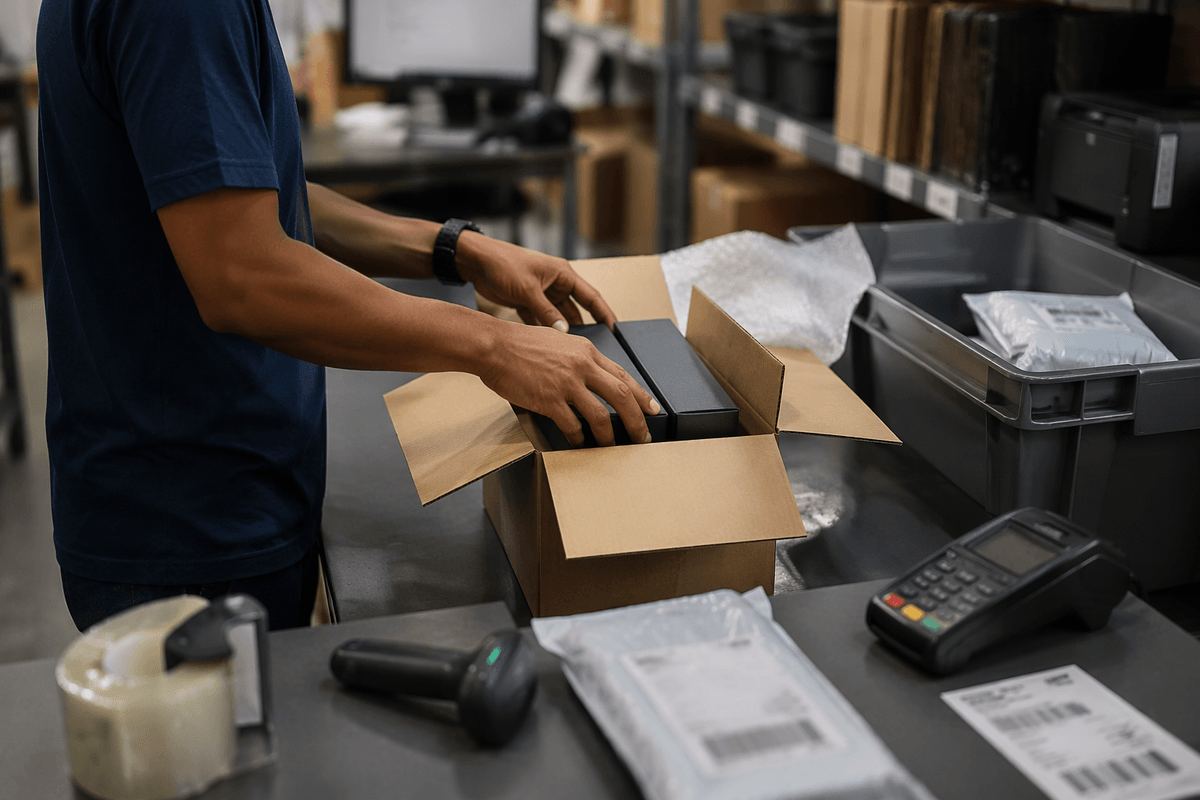
Before you print anything, pull the last 8–12 weeks of transactions for the SKU (or the closest substitute) and run a blunt contribution check: (effective promo price × expected units per order) minus (landed cost × units) minus the variable frictions you can’t dodge (card fees, pick/pack time, packaging, expected returns). If that number is thin at full price, BOGO won’t magically fix it—it just shifts the pain into volume and cash.
Then sanity-check demand and inventory timing. How many buyers already purchase two in a normal week, and how many single-unit buyers are likely to “upgrade” only because it’s free? If your baseline already has multi-unit behavior, BOGO mostly subsidizes it. Pair that with lead time: can you cover a 2–3× week without expediting, and will a stockout cost you full-price sales on the next reorder cycle? If the answer is “maybe,” cap redemption, restrict to slower variants, or don’t run it.
Design choices that protect margin and trust
Once the quick checks don’t throw a red flag, the design work becomes the difference between a clean lift and a messy, trust-draining scramble. The safest move is to control what can be “free”: run BOGO on the lower-cost item in a pair (“buy X, get Y”), or constrain it to specific variants that are overstocked. If your POS can’t enforce that cleanly, the promo will leak at the register, and the first time a customer feels argued with, the goodwill you expected to earn starts costing you.
Protect the shelf and the calendar at the same time. Put a unit cap per customer, set a hard end date, and avoid running it so long that regulars learn to wait. If you need urgency, narrow it to slower hours or slower channels rather than blasting it everywhere. Then write the terms like you’d train a new hire: what qualifies, what happens if the second choice is out of stock, and what a return looks like. Ambiguity turns “free” into “fine print,” and fine print is where trust erodes fastest.
Decide with evidence, not adrenaline
The last practical step is to treat BOGO like a test, not a mood. Pick a narrow window (48–72 hours), keep the audience consistent, and set a control: last week’s same days, or a matched store/location. Decide in advance what “worked” means in dollars, not units—incremental gross profit, contribution after fees and labor, and whether full-price sell-through rebounds the following week.
Then watch for the quiet penalties while it’s running: stockout rate by variant, average discount per transaction, return rate on the “free” unit, and any pull-forward (a dead week immediately after). If the lift only shows up as higher baskets with flat contribution, end it. The goal isn’t a busy register; it’s repeatable, margin-safe volume you can reorder into without panic.



![How to Negotiate Medical Bills in Collections [13 Legit Steps]](static/image/2026/07/14/9e314051-9bc1-4519-a5b7-8e862903d3e4.png)

![How to Research Stocks Before You Buy [How to Pick Stocks]](static/image/2026/07/14/c31ea3ae-07b2-446c-b67a-e56ae4a55f8b.png)